Vision
Visi

Visi
Tujuan
Sasaran
| Code | Course / Stage | Credits |
|---|---|---|
| KR1001 | AGAMA | 2 |
| KR1001 | AGAMA | 2 |
| KR1002 | PANCASILA | 2 |
| KR1002 | PANCASILA | 2 |
| KR1003 | BAHASA INDONESIA | 2 |
| KR1003 | BAHASA INDONESIA | 2 |
| KR1101 | BAHASA INGGRIS | 2 |
| KR1102 | KONSEP DASAR KEPERAWATAN | 2 |
| KR1102 | KONSEP DASAR KEPERAWATAN | 2 |
| KR1103 | ILMU BIOMEDIK DASAR I | 2 |
| KR1103 | ILMU BIOMEDIK DASAR I | 2 |
| KR1104 | KEPERAWATAN DASAR I | 3 |
| KR1104 | KEPERAWATAN DASAR I | 3 |
| KR1105 | KOMUNIKASI | 2 |
| KR1105 | KOMUNIKASI | 2 |
| KR1106 | PSIKOLOGI | 2 |
| KR1106 | PSIKOLOGI | 2 |
| Total | 36 | |
| Code | Course / Stage | Credits |
|---|---|---|
| KR3101 | Managemen Pasien Safety | 2 |
| KR3102 | Dokumentasi Keperawatan | 2 |
| KR3103 | Keperawatan Maternitas | 3 |
| KR3104 | Keperawatan Anak | 3 |
| KR3105 | Keperawatan Medikal Bedah I | 3 |
| KR3106 | Managemen Keperawatan | 2 |
| KR3009 | Sosio-Technopreneurship | 2 |
| KR3108 | Praktik Klinik Keperawatan Dasar | 2 |
| KR3108 | Praktik Klinik Keperawatan Maternitas | 2 |
| Total | 21 | |
| Code | Course / Stage | Credits |
|---|---|---|
| KR1101 | BAHASA INGGRIS | 2 |
| Total | 2 | |
| Code | Course / Stage | Credits |
|---|---|---|
| KD3111 | Kewirausahaan II | 2 |
| KD3108 | Kebijakan Kesehatan | 2 |
| KD3513 | Keperawatan Gawat Darurat | 2 |
| KD3514 | Manajemen Bencana | 2 |
| KD3602 | Keperawatan Gerontik | 2 |
| KD3601 | Keperawatan Keluarga | 2 |
| KD3506 | Praktik Klinik Keperawatan Medikal Bedah II | 2 |
| KD3510 | Praktik Klinik Keperawatan Anak | 2 |
| Total | 16 | |
Fields of work and professional roles graduates may pursue after completing the program.
Characteristics and capabilities expected of graduates of this study program.
Attitudes, knowledge, and skills students are expected to achieve by graduation.
Able to develop socio-technopreneurship-based innovations in the field of expertise and consistently demonstrate responsibility and integrity in professional decision-making.
Able to develop nursing knowledge and scientific evidence based on the principles of evidence-based nursing.
Able to analyze the needs, problems, and health conditions of individuals, families, groups, and communities.
Able to systematically demonstrate nursing procedures and skills in accordance with established standards.
Able to demonstrate nursing interventions to meet the health needs of patients and individuals.
Able to analyze health information and scientific evidence and communicate professionally with other healthcare professionals.
Able to appropriately, safely, ethically, and responsibly use digital technologies in healthcare.
Able to creatively analyze opportunities and problems in the field of health sciences and generate added value.
Able to analyze problems in nursing practice.
Able to continuously develop personal capacity and adapt to developments in health sciences.
Approved and locked RPSMK are grouped by semester. The cohort source follows the newest available RPSMK for each course in that semester.
Religion develops understanding, internalization, and application of religious values and spirituality as a foundation for forming nursing students who demonstrate integrity, ethical conduct, respect for human dignity, and respect for diverse beliefs. The course covers human nature and belief in God, morality and responsibility, academic integrity, religious moderation, tolerance, spiritual needs, therapeutic communication that is sensitive to patient beliefs, privacy and autonomy, ethical decision making, illness and loss, spiritual support, patient safety, digital ethics, social justice, environmental responsibility, and integration of religious values into nursing professionalism. Learning activities include interactive lectures, discussions, reflective exercises, case analysis, role play, case method, quizzes, structured assignments, and evaluation.
Pancasila Education develops understanding, internalization, and application of Pancasila values as the state foundation, national ideology, philosophical system, and ethical system in academic, social, civic, and professional life. The course covers the history and position of Pancasila, its fundamental values and philosophy, democracy, constitution, citizens rights and responsibilities, diversity, social justice, integrity, anticorruption, ethics of science and technology, digital ethics, environmental responsibility, responsible consumption, and the contribution of Pancasila to sustainable development. Learning activities include interactive lectures, discussions, reflective exercises, Case Method, quizzes, structured assignments, and evaluation. The course supports SDG 12 through strengthening responsibility, integrity, ethics, and sustainable behavior.
The Indonesian Language course develops students ability to use standard, effective, logical, and academic Indonesian to understand, analyze, evaluate, and present health information and scientific literature. Topics include the position and functions of Indonesian, academic language, the fifth edition of Indonesian spelling guidelines, word choice and health terminology, effective sentences, academic paragraphs, critical reading of health texts, summaries, paraphrases, synthesis, scientific literature searching and evaluation, Chicago style citation, academic integrity, scientific article structure, abstract writing, academic presentation, and scientific editing in nursing contexts. Learning activities include interactive lectures, structured exercises, discussions, Case Method, assignments, presentations, quizzes, and evaluations.
Fundamental Concepts of Nursing provides students with an initial foundation for understanding nursing as a science and profession, professional values, ethics and law, nursing paradigms and theories, holistic concepts of person and health, basic human needs, the nursing process, patient safety, principles of basic procedures, assessment data analysis, documentation, and therapeutic communication. Theory is integrated with discussion, case method, laboratory practice, simulation, reflection, and simple problem solving exercises so that students can connect foundational concepts with supervised nursing practice.
Basic Biomedical Science I equips students with foundational biomedical knowledge to understand human body structure and function as a basis for nursing education and practice. Learning covers anatomy and physiology, homeostasis, basic chemistry of life, cell structure and function, membrane transport, tissues, musculoskeletal, nervous, endocrine, blood, cardiovascular, respiratory, digestive, urinary, fluid and electrolyte balance, reproductive systems, integration of organ functions, and analysis of basic health information related to body functions. Learning activities include interactive lectures, structured exercises, concept mapping, discussions, quizzes, Case Method, assignments, presentations, and evaluations.
Fundamentals of Nursing I discusses the foundations of nursing practice and the fulfillment of basic human needs in individuals in health and illness. Content includes concepts of the person and basic needs, caring, professionalism, ethics and law, patient safety, infection prevention, body mechanics, the nursing process, basic assessment, vital signs, pain, hygiene, mobility, comfort, rest and sleep, oxygenation, nutrition, fluids, elimination, therapeutic communication, health education, collaboration, documentation, and fundamental skills performed safely and according to standards. Learning uses interactive lectures, case methods, demonstrations, simulations, laboratory practice, discussions, reflection, and formative and summative assessment.
Communication in Nursing equips students to apply therapeutic communication in professional relationships with patients, families, and healthcare teams; demonstrate professional, disciplined, and ethical behavior in nursing communication; and evaluate communication, collaboration, and decision making in nursing practice. Learning covers communication concepts and processes, self-awareness, verbal and nonverbal communication, active listening, empathy, phases of the therapeutic relationship, therapeutic communication techniques, developmentally appropriate communication, family communication, communication barriers and emotional situations, culture and spirituality, privacy and professional boundaries, digital communication, SBAR, handover, closed-loop communication, assertive communication, feedback, conflict, interprofessional collaboration, and integrated simulation. Learning methods include interactive lectures, discussions, case methods, reflection, role play, skills laboratory, simulation, assignments, formative OSCE, and summative evaluation.
Psychology for Nursing equips students to analyze psychological and behavioral science concepts as foundations for nursing practice, analyze the health needs of individuals, families, groups, and communities holistically from psychological perspectives, and apply psychological principles in therapeutic communication with patients and families. Learning covers the scope of psychology, the biopsychosocial approach, biological bases of behavior, sensation and perception, learning, memory, cognition and intelligence, lifespan development, personality and self-concept, motivation and emotion, stress and coping, health behavior, illness perceptions and adherence, family social cultural influences and stigma, psychological responses to illness hospitalization loss and grief, and application of psychology in therapeutic communication. Learning methods include interactive lectures, discussions, case methods, concept mapping, literature review, reflection, communication simulation, assignments, formative quizzes, and integrative evaluation.
Patient Safety Management equips students to evaluate the application of patient safety principles and professional responsibility, evaluate nursing procedures based on patient safety principles, evaluate collaboration and decision-making processes in nursing practice, and evaluate alternative solutions based on scientific evidence and the practice context. Learning covers patient safety concepts, safety culture, human factors, systems thinking, ethics and professional responsibility, patient and family engagement, patient safety goals, patient identification, effective communication, medication safety, infection prevention, procedural safety, fall prevention, equipment and environmental safety, teamwork, SBAR, handover, closed-loop communication, mutual support, speaking up, incident reporting, risk assessment, FMEA, root cause analysis, and quality improvement using PDSA and safety indicators. Learning methods include interactive lectures, discussions, case methods, workshops, role play, skills laboratory, simulation, formative OSCE, and reflection.
Nursing Documentation is a course that discusses the concepts, principles, standards, ethical-legal aspects, and application of nursing process documentation in a systematic, accurate, complete, objective, timely, and continuous manner. The course covers documentation of assessment, nursing diagnosis, planning, implementation, evaluation, clinical communication and handover, documentation quality audit, and the use of electronic health records while maintaining patient information security and confidentiality.
In this course, students are expected to be able to understand the concepts and theories of maternity nursing, fetal growth and development, and the anatomy and physiology of the female reproductive system, as well as nursing care for pregnant, intranatal, newborn, and postpartum mothers.
Pediatric Nursing is a course that discusses the concepts and principles of nursing care for infants, children, and adolescents in health and illness by applying child- and family-centered care, atraumatic care principles, the nursing process, patient safety, and ethical and cultural considerations across various healthcare settings.
Medical-Surgical Nursing 1 equips students to provide nursing care for adult patients with respiratory, cardiovascular, and hematologic problems using a holistic, safe, systematic, and nursing-process-based approach. Learning includes basic pathophysiology, focused assessment, data analysis, nursing diagnosis, outcomes and interventions, medical-surgical nursing skills, patient and family education, response monitoring, documentation, and collaboration. Learning methods include interactive lectures, guided discussion, case method, problem based learning, mini seminars, skills laboratory, supervised practice, simulation, and formative OSCE.
Nursing Management is a course that discusses the concepts and application of management functions in nursing services at the unit level, including planning, organizing, staffing, directing, coordination, delegation, communication, supervision, quality control, patient safety, documentation, use of data and information technology, and evidence-based quality improvement. Learning emphasizes vocational abilities to work collaboratively, manage simple assignments, conduct handovers, prepare basic schedules and managerial documentation, and analyze service problems to support safe, effective, and high-quality nursing care.
Socio Technopreneurship course equips students with the ability to understand technology based social entrepreneurship concepts, identify health and nursing problems, develop innovative ideas, design social business models, and implement strategies for sustainable health products or services.
Fundamental Nursing Clinical Practice provides supervised clinical experience to integrate professional behavior, ethics, patient safety, holistic care, fundamental nursing skills, the nursing process, therapeutic communication, documentation, and reflection. Students undertake clinical orientation, holistic assessment, basic physical assessment, vital sign and pain monitoring, activities of daily living support, infection prevention, mobility, hygiene, comfort, safety, data analysis, nursing diagnosis formulation, planning and implementation of basic nursing interventions within student scope, evaluation of patient responses, education, handover, case conferences, logbook completion, and reflection. All activities are conducted under faculty or preceptor supervision while respecting patient dignity, privacy, confidentiality, informed consent, student scope, and continuity of care.
Clinical Practice I in Maternity Nursing provides supervised clinical experience to integrate professionalism, ethics, patient safety, holistic care, maternity nursing skills, and the nursing process for women and families during antenatal, intrapartum, and postnatal periods as well as basic newborn care. Students undertake clinical orientation, physical and psychosocial assessment, therapeutic communication, maternity nursing skills within student scope, data analysis, nursing diagnosis formulation, intervention planning, supervised implementation, evaluation of patient responses, documentation, handover, clinical conferences, nursing care reports, logbooks, reflection, and case presentations. All activities are conducted under faculty or preceptor supervision with emphasis on dignity, culture, privacy, patient choice, and maternal and newborn safety.
The English Language course equips students with the ability to understand and use English in health and nursing contexts. Learning covers professional nursing identity, medical vocabulary, formation of health terms, patient data, vital signs, clinical instructions, reading strategies for health texts, summaries and paraphrases, therapeutic communication with patients and families, symptom assessment, expressions of empathy, clarification, checking understanding, interprofessional communication using SBAR, literature searching, abstract analysis, evaluation of scientific evidence, and presentation of English nursing literature reviews. Learning activities include interactive lectures, structured exercises, discussions, simulations, role play, Case Method, assignments, quizzes, presentations, and evaluations.
Fundamental Concepts of Nursing provides students with an initial foundation for understanding nursing as a science and profession, professional values, ethics and law, nursing paradigms and theories, holistic concepts of person and health, basic human needs, the nursing process, patient safety, principles of basic procedures, assessment data analysis, documentation, and therapeutic communication. Theory is integrated with discussion, case method, laboratory practice, simulation, reflection, and simple problem solving exercises so that students can connect foundational concepts with supervised nursing practice.
Health Policy examines the concepts, processes, actors, instruments, implementation, monitoring, evaluation, and use of evidence in health policy and their relationship with health systems and nursing services. Topics include public and health policy concepts, health-system governance, social determinants and health equity, the legal framework for health in Indonesia, the policy cycle, agenda setting, stakeholder analysis, policy formulation and advocacy, implementation, health financing, health-system transformation, monitoring and evaluation, evidence-informed policy, ethics and equity, and the preparation of a simple policy brief. Learning emphasizes vocational nurses’ ability to understand policy impacts on services, use basic data and evidence, collaborate with stakeholders, and formulate recommendations that support safe, equitable, promotive, and preventive health services.
Emergency Nursing is a course addressing the concepts, systems, and fundamental nursing skills required for patients with acute and life-threatening conditions. The course covers emergency care systems and integrated emergency medical services, ethical-legal aspects and patient safety, triage, ABCDE primary and secondary assessment, airway and breathing management, shock and bleeding, basic life support and AED use, trauma, cardiovascular and neurological emergencies, burns, poisoning, drowning and environmental emergencies, communication and documentation, transport and referral, mass-casualty incidents, and integrated simulation. Learning emphasizes rapid clinical decision-making, safe initial interventions within the vocational nurse scope of practice, teamwork, and evidence-informed evaluation of patient responses.
Disaster Management is a course that addresses the principles, systems, and basic nursing skills required for disaster and health-crisis risk reduction, preparedness, response, and recovery. The course covers disaster concepts and cycles, risk assessment, regulations and health-crisis systems, health-facility and community preparedness, early warning systems, disaster triage, first aid and evacuation, patient safety and infection prevention, emergency coordination and communication, care for vulnerable groups, psychosocial support, shelter health management, health education, mitigation, rehabilitation, and community resilience. Learning emphasizes vocational nursing competence to act safely, collaboratively, and responsively in disaster situations through case-based learning and simulation.
Gerontological Nursing addresses the ageing process and holistic, person-centred, safe, evidence-informed nursing care for older people across care settings. The course covers gerontology and geriatrics, healthy ageing, theories of ageing, biological, psychological, social and spiritual changes, ethics and ageism, therapeutic communication, comprehensive gerontological assessment and intrinsic capacity, geriatric syndromes, chronic disease and multimorbidity, falls, frailty, polypharmacy, cognitive and psychological problems, nutrition, elimination, sensory problems and skin integrity. Students apply the nursing process, health education, health promotion and prevention, caregiver support, older-person safety, palliative and end-of-life care, home care, long-term care, referral, interprofessional collaboration and continuity of care according to older people’s needs and functional status.
Family Nursing equips students to analyze family health needs, design nursing solutions systematically, apply holistic approaches, analyze assessment data, formulate nursing diagnoses, design interventions, evaluate family responses, and apply therapeutic communication. Learning covers the family as a system, family structure and function, family development and life cycle, determinants of family health, family assessment, genograms, ecomaps, home environment assessment, family health tasks, data analysis, problem prioritization, family nursing diagnoses, intervention planning, health promotion, disease prevention, family empowerment, home visits, care coordination, referral, outcome evaluation, documentation, and therapeutic communication with families. Theory is integrated with skills practice, simulation, case method, family assessment exercises, care planning, health education, simulated home visits, and reflection.
Medical Surgical Nursing Clinical Practice II equips students to provide nursing care for adult patients with medical and surgical problems professionally, safely, systematically, and based on evidence. Clinical practice covers professional and ethical behavior, patient safety, infection prevention and control, evidence based nursing, medical surgical nursing skills, comprehensive assessment, data analysis, nursing diagnosis formulation, intervention planning, implementation, evaluation of patient responses, therapeutic communication, patient and family education, collaboration, handover, documentation, case conference, reflection, and self evaluation. Clinical learning is conducted through orientation, preconference, bedside teaching, supervised clinical practice, case discussion, evidence searching, direct observation of skills, postconference, case presentation, and structured reflection.
Pediatric Nursing Clinical Practice equips students to provide nursing care for infants, children, adolescents, and families professionally, safely, systematically, holistically, with child and family centered care, and based on evidence. Clinical practice covers professional and ethical behavior, child rights, patient safety, infection prevention, evidence based nursing, atraumatic care, growth and development, comprehensive assessment, medication safety, pediatric nursing skills, data analysis, nursing diagnosis, intervention planning, implementation, evaluation of responses, developmentally appropriate therapeutic communication, family education, collaboration, handover, documentation, case conference, reflection, and self evaluation.
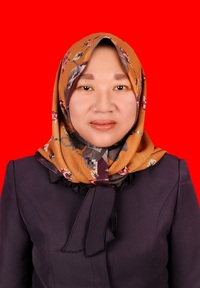
Head of Study Program