Vision
Visi

Visi
Tujuan
Sasaran
| Code | Course / Stage | Credits |
|---|---|---|
| KP1001 | AGAMA | 2 |
| KP1002 | PANCASILA | 2 |
| KP1003 | BAHASA INDONESIA | 2 |
| KP1101 | BAHASA INGGRIS | 2 |
| KP1102 | PROSES KEPERAWATAN DAN BERFIKIR KRITIS | 3 |
| KP1103 | BIOMEDIK DASAR I | 2 |
| KP1104 | KONSEP DASAR KEPERAWATAN I | 3 |
| KP1105 | PEMENUHAN KEBUTUHAN DASAR MANUSIA | 4 |
| Total | 20 | |
| Code | Course / Stage | Credits |
|---|---|---|
| UNJ2201 | Sosio-Technopreneurship | 2 |
| Total | 2 | |
| Code | Course / Stage | Credits |
|---|---|---|
| KP3105 | PSIKOSOSIAL DAN BUDAYA DALAM KEPERAWATAN | 2 |
| KP3106 | Keperawatan Dewasa Sistem Endokrin,Imunologi,Pencernaan,Perkemihan dan Reproduksi Pria | 3 |
| Total | 5 | |
| Code | Course / Stage | Credits |
|---|---|---|
| KP4105 | METODOLOGI PENELITIAN | 4 |
| Total | 4 | |
| Code | Course / Stage | Credits |
|---|---|---|
| KP5102 | KEPERAWATAN PSIKIATRI | 3 |
| KP5107 | PROPOSAL PENELITIAN | 2 |
| KP5109 | KEPERAWATAN AGREGAT KOMUNITAS | 3 |
| Total | 8 | |
| Code | Course / Stage | Credits |
|---|---|---|
| KP6102 | KEPERAWATAN KRITIS | 3 |
| KP6109 | KEPERAWATAN TROPIK INFEKSI ELEKTIF I | 2 |
| Total | 5 | |
Fields of work and professional roles graduates may pursue after completing the program.
Calon perawat adalah individu yang sedang menjalani pendidikan dan pembelajaran keperawatan untuk mempersiapkan diri menjadi perawat profesional yang kompeten, beretika, bertanggung jawab, dan mampu memberikan asuhan keperawatan yang aman, bermutu, holistik, serta berpusat pada pasien. Calon perawat dibekali pengetahuan, keterampilan klinis, kemampuan berpikir kritis, komunikasi terapeutik, kemampuan bekerja dalam tim, serta pemanfaatan teknologi dalam pelayanan kesehatan.
Characteristics and capabilities expected of graduates of this study program.
A graduate attribute emphasizing the integration of social values, technology, creativity, and entrepreneurship to develop innovative solutions in health and nursing.
A graduate attribute focusing on developing health science knowledge through research, innovation, and evidence based approaches.
A professional nurse who is able to provide safe, holistic, ethical, and evidence based nursing care to individuals, families, groups, and communities.
A professional nurse who is able to provide health education and empower individuals, families, and communities to improve health status.
A professional nurse who is able to plan, organize, coordinate, and evaluate nursing services through effective leadership and management.
Attitudes, knowledge, and skills students are expected to achieve by graduation.
Capable of integrating the principles of professionalism, ethics, law, patient safety, and humanitarian values in shaping character as a prospective professional nurse, as well as demonstrating and cultivating professional behavior in the learning process and guided nursing practice."
Graduates demonstrate professional attitudes, ethical awareness, legal responsibility, patient safety commitment, and humanistic values in nursing practice.
Capable of developing nursing knowledge, health sciences, applied sciences, and scientific evidence, as well as demonstrating nursing skills based on evidence-based nursing principles."
Graduates apply scientific knowledge and evidence based nursing principles to support competent nursing practice.
Capable of evaluating the needs, problems, and health conditions of individuals, families, groups, and communities, as well as designing systematic, holistic, and evidence-based nursing solutions in guided practice."
Graduates identify health problems and develop holistic nursing interventions based on assessment and evidence.
Capable of demonstrating safe, precise, systematic, and standardized nursing procedures and skills during learning and guided clinical practice."
Graduates demonstrate safe and standardized nursing skills according to professional standards.
Capable of evaluating assessment data as well as designing, demonstrating, and evaluating nursing actions based on the nursing process, patient safety, and individual needs in guided practice."
Graduates apply the nursing process to provide individualized and safe nursing interventions.
Capable of integrating health information and scientific evidence in learning and guided nursing practice through therapeutic communication, collaboration, professional decision-making, and problem-solving."
Graduates use communication, collaboration, and clinical reasoning to solve nursing problems professionally.
Capable of developing the appropriate, safe, ethical, innovative, and responsible utilization of health technology and digital technology to support learning and development..."
Graduates utilize digital and health technologies ethically to improve nursing learning and services.
Capable of evaluating problems, as well as designing and developing innovations based on health science, technology, creativity, and resources through a socio-technopreneurship approach in nursing that delivers added value and positive social impact."
Graduates develop innovative nursing solutions through entrepreneurship and social technology approaches.
Capable of creating solutions to learning and guided nursing practice problems through critical, reflective, creative, and evidence-based thinking, as well as demonstrating systematic problem-solving skills."
Graduates demonstrate critical thinking, reflection, creativity, and systematic problem solving in nursing.
Capable of developing self-capacity continuously through reflection, lifelong learning, competency enhancement, adaptation to scientific and technological developments, and demonstrating commitment, integrity, responsibility, and readiness to become a professional nurse who contributes to society."
Graduates commit to lifelong learning, professional development, integrity, and contribution to society.
Approved and locked RPSMK are grouped by semester. The cohort source follows the newest available RPSMK for each course in that semester.
Religion develops understanding, internalization, and application of religious values and spirituality as a foundation for forming nursing students who demonstrate integrity, ethical conduct, respect for human dignity, and respect for diverse beliefs. The course covers human nature and belief in God, morality and responsibility, academic integrity, religious moderation, tolerance, spiritual needs, therapeutic communication that is sensitive to patient beliefs, privacy and autonomy, ethical decision making, illness and loss, spiritual support, patient safety, digital ethics, social justice, environmental responsibility, and integration of religious values into nursing professionalism. Learning activities include interactive lectures, discussions, reflective exercises, case analysis, role play, case method, quizzes, structured assignments, and evaluation.
Pancasila Education develops students ability to understand, analyze, internalize, and apply Pancasila values as the state foundation, national ideology, philosophical system, and ethical system in academic, social, civic, and nursing professional learning. Topics include the history and position of Pancasila, constitution, democracy, citizens rights and responsibilities, diversity, social justice, integrity, anticorruption, professional ethics, patient safety, digital ethics, science and technology, environmental responsibility, sustainable development, and professional decision making grounded in human values. Learning activities include interactive lectures, guided discussions, reflective exercises, Case Method, quizzes, structured assignments, and evaluations.
The Indonesian Language course develops students ability to use standard, effective, logical, and academic Indonesian to understand, analyze, evaluate, and present health information and scientific literature. Topics include the position and functions of Indonesian, academic language, the fifth edition of Indonesian spelling guidelines, word choice and health terminology, effective sentences, academic paragraphs, critical reading of health texts, summaries, paraphrases, synthesis, scientific literature searching and evaluation, Chicago style citation, academic integrity, scientific article structure, abstract writing, academic presentation, and scientific editing in nursing contexts. Learning activities include interactive lectures, structured exercises, discussions, Case Method, assignments, presentations, quizzes, and evaluations.
The English Language course equips students with the ability to understand and use English in health and nursing contexts. Learning covers professional nursing identity, medical vocabulary, formation of health terms, patient data, vital signs, clinical instructions, reading strategies for health texts, summaries and paraphrases, therapeutic communication with patients and families, symptom assessment, expressions of empathy, clarification, checking understanding, interprofessional communication using SBAR, literature searching, abstract analysis, evaluation of scientific evidence, and presentation of English nursing literature reviews. Learning activities include interactive lectures, structured exercises, discussions, simulations, role play, Case Method, assignments, quizzes, presentations, and evaluations.
The Nursing Process and Critical Thinking course equips students to use the nursing process systematically through assessment, data analysis, nursing diagnosis, priority setting, outcome formulation, intervention planning, evaluation of patient responses, documentation, and problem solving through critical and reflective thinking. Learning emphasizes subjective and objective data, data validation, clustering of clinical cues, diagnostic reasoning, standardized nursing diagnoses, outcomes and interventions, patient safety, scientific evidence, clinical judgment, and reflection for continuous improvement. Learning activities include interactive lectures, discussions, structured exercises, case method, concept mapping, workshops, simulation, laboratory practice, assignments, presentations, reflection, and evaluation.
Basic Biomedical Science I equips students with foundational biomedical knowledge to understand human body structure and function as a basis for nursing education and practice. Learning covers anatomy and physiology, homeostasis, basic chemistry of life, cell structure and function, membrane transport, tissues, musculoskeletal, nervous, endocrine, blood, cardiovascular, respiratory, digestive, urinary, fluid and electrolyte balance, reproductive systems, integration of organ functions, and analysis of basic health information related to body functions. Learning activities include interactive lectures, structured exercises, concept mapping, discussions, quizzes, Case Method, assignments, presentations, and evaluations.
Fundamentals of Nursing Concepts I provides students with the conceptual foundations of the nursing profession as a basis for developing professional identity and therapeutic relationships. Learning covers the development of nursing, characteristics of a profession, nursing roles and functions, professional values, nursing ethics and law, patient rights, accountability, nursing philosophy and paradigms, the nursing metaparadigm, nursing science and knowledge, nursing theories and conceptual models, concepts of person and health, holistic approaches, caring, person centered care, cultural and spiritual sensitivity, communication concepts, therapeutic communication, self awareness, empathy, active listening, phases of the nurse patient relationship, communication barriers, communication with families and health teams, and professional communication in simple nursing situations. Learning activities include interactive lectures, discussions, structured exercises, concept mapping, case method, collaborative learning, role play, simulation, reflection, presentations, assignments, and evaluation.
Human Basic Needs equips students to analyze human basic needs holistically, understand fundamental nursing procedure principles, demonstrate basic nursing skills safely and systematically, analyze assessment data, and design nursing interventions to meet individual needs. Learning covers concepts of human basic needs, homeostasis, oxygenation and circulation, nutrition and fluids, elimination, activity and mobility, rest and sleep, comfort, personal hygiene, infection prevention, safety, vital signs, body mechanics, patient positioning, transfer and ambulation, range of motion exercise, basic oxygenation support, nutrition assistance, fluid monitoring, elimination support, assessment of basic needs, data analysis, priority setting, and intervention planning. Learning activities include interactive lectures, structured exercises, case discussions, demonstrations, laboratory practice, simulation, concept mapping, case method, reflection, and skill evaluation.
The Publication of Research Results course equips students to evaluate literature and reporting guidelines, analyze and communicate nursing research findings, apply digital technology in manuscript preparation and submission, and demonstrate professional and ethical behavior throughout the scholarly publication process. Learning covers scientific article structure, reporting guidelines, presentation of results in narrative, tables and figures, development of discussion and implications, reference management, journal selection, author guideline compliance, authorship ethics, conflicts of interest, plagiarism, duplicate publication, responsible use of artificial intelligence, submission, peer review, revision, proofing, and dissemination of research findings.
Socio-Technopreneurship equips students to analyze social entrepreneurship and technopreneurship concepts, identify health problems and user needs, design technology-enabled innovations that create social value, and develop feasible, ethical, sustainable business models relevant to nursing. Learning covers entrepreneurial mindset, social impact, design thinking, stakeholder mapping, user segmentation, value proposition, business models, prototyping and MVP, digital health literacy, financial planning, digital marketing, ethical and legal issues, risk management, impact measurement, sustainability, and pitching health-related ventures or solutions.
Nursing Pharmacology equips students with the ability to understand and apply pharmacology principles safely in supervised nursing practice. Learning covers basic pharmacology, pharmacokinetics, pharmacodynamics, factors affecting drug response, major drug groups, indications, contraindications, adverse effects, drug interactions, medication safety, professional responsibility, dosage calculation, prescription interpretation, route selection, medication preparation and administration, patient response monitoring, education, documentation, medication reconciliation, and selection of medication procedures according to patient condition and service needs. Learning activities include interactive lectures, discussions, structured exercises, concept mapping, case method, collaborative learning, laboratory simulation, demonstration, return demonstration, reflection, presentations, assignments, and evaluation.
Nursing Information Systems equips students with the ability to analyze health technology and digital health concepts, evaluate the safe, ethical, and responsible use of health information technology, and apply health technology to support nursing learning and practice. Learning covers nursing informatics, data, information, knowledge, health information systems, electronic health records, nursing data, information workflows, data quality, interoperability, data exchange standards, SATUSEHAT, FHIR, information security and confidentiality, personal data protection, digital ethics, cybersecurity, electronic nursing documentation, learning applications, basic data visualization, and simulation of information system use in nursing services. Learning activities include interactive lectures, guided discussions, structured exercises, case method, collaborative learning, demonstrations, computer laboratory practice, simulations, assignments, presentations, reflection, and evaluation.
Adult Nursing: Respiratory, Hematologic, and Cardiovascular Systems equips students to analyze adult patient health needs holistically, understand pathophysiology and clinical manifestations of respiratory, hematologic, and cardiovascular disorders, analyze assessment data, formulate nursing diagnoses, design interventions and outcomes, demonstrate nursing skills safely and systematically, and evaluate patient responses. Learning covers focused assessment, diagnostic examinations, asthma, chronic obstructive pulmonary disease, pneumonia, tuberculosis, respiratory failure, anemia, leukemia and lymphoma, bleeding disorders, hypertension, coronary artery disease and acute coronary syndromes, heart failure, arrhythmias, oxygen therapy, inhalation therapy, breathing exercises, airway clearance, transfusion safety, peripheral perfusion assessment, electrocardiography lead placement, cardiovascular monitoring, patient education, discharge planning, and evaluation of care. Learning methods include interactive lectures, case method, structured exercises, concept mapping, evidence based discussion, simulation, demonstration, return demonstration, case conference, reflection, and skill evaluation.
Therapeutic Communication in Nursing equips students to apply therapeutic communication in professional relationships with patients, families, and health teams; demonstrate professional, disciplined, and ethical behavior; evaluate collaboration and decision making processes; and conduct reflection and continuous improvement in communication practice. Learning covers therapeutic communication concepts and principles, self awareness, empathy, verbal and nonverbal communication, cultural sensitivity, phases of the therapeutic relationship, communication techniques for various patient responses, professional boundaries, confidentiality, communication with vulnerable groups, patient education and teach back, interprofessional communication, SBAR, handoff, closed loop communication, assertiveness, conflict management, shared decision making, reflection, feedback, and integrated simulation. Learning activities include interactive lectures, guided discussions, structured exercises, case method, role play, collaborative learning, demonstrations, laboratory practice, simulations, reflection, presentations, assignments, and formative and summative evaluation.
The Psychosocial and Cultural Aspects in Nursing course equips students to analyze psychosocial concepts, human development, health behavior, social factors, culture, values, beliefs, spirituality, diversity, and psychosocial and cultural problems that influence health and nursing care. Learning covers psychosocial and cultural assessment, individual and family responses to illness, stress and coping, therapeutic communication, culturally sensitive communication, psychosocial support, loss and bereavement, stigma, vulnerable groups, and selection of safe, ethical, patient-centered, culturally appropriate nursing approaches. Learning methods include interactive lectures, case method, guided discussion, case analysis exercises, role play, reflection, assignments, and formative and summative evaluation.
Adult Nursing: Endocrine, Immunological, Gastrointestinal, Urinary, and Male Reproductive Systems equips students to analyze pathophysiology, clinical manifestations, diagnostic tests, risk factors, and the health needs of adults with endocrine, immunological, gastrointestinal, urinary, and male reproductive disorders; analyze assessment data to determine nursing problems and priorities; design evidence-based nursing care; and apply therapeutic communication, patient education, patient safety, self-management, and interprofessional collaboration. Learning covers diabetes mellitus, thyroid and parathyroid disorders, pituitary and adrenal disorders, hypersensitivity, autoimmune disease, gastrointestinal disorders, hepatobiliary and pancreatic disorders, acute kidney injury, chronic kidney disease, fluid-electrolyte and acid-base disturbances, urinary tract infection, urolithiasis, renal replacement therapy, benign prostatic hyperplasia, prostatitis, erectile dysfunction, male infertility, and male sexual and reproductive health problems.
The Japanese Language course equips students with basic Japanese communication skills for health and nursing contexts and develops habits for continuous language learning. Learning covers professional greetings, self introduction, pronunciation, basic hiragana and katakana, numbers, time, patient identity, vocabulary for body parts and symptoms, expressions for assessing complaints and pain, vital signs, basic needs, simple instructions, patient safety, medication, nutrition, elimination, mobility, empathy, communication with families and health care teams, hospital environment vocabulary, reading simple information, use of digital learning resources, reflection, portfolio development, and planning continued Japanese language competence for nursing professionalism. Learning activities include interactive lectures, structured exercises, drills, role play, simulation, collaborative learning, assignments, quizzes, reflection, portfolio work, and formative and summative evaluation.
Clinical Practice I in Maternity Nursing provides supervised clinical experience to integrate professionalism, ethics, patient safety, holistic care, maternity nursing skills, and the nursing process for women and families during antenatal, intrapartum, and postnatal periods as well as basic newborn care. Students undertake clinical orientation, physical and psychosocial assessment, therapeutic communication, maternity nursing skills within student scope, data analysis, nursing diagnosis formulation, intervention planning, supervised implementation, evaluation of patient responses, documentation, handover, clinical conferences, nursing care reports, logbooks, reflection, and case presentations. All activities are conducted under faculty or preceptor supervision with emphasis on dignity, culture, privacy, patient choice, and maternal and newborn safety.
Adult Nursing: Musculoskeletal, Integumentary, Sensory Perception, and Nervous Systems equips students to holistically analyze adult patients’ health needs, analyze assessment and diagnostic data to determine nursing problems, design evidence-based nursing interventions, and apply therapeutic communication, education, patient safety, documentation, and interprofessional collaboration. Learning covers anatomy, physiology, and pathophysiology of the musculoskeletal, integumentary, sensory, and nervous systems; system-focused assessment; trauma and degenerative disorders; skin disorders and wound healing; visual, auditory, and vestibular disorders; stroke, seizures, intracranial pressure disorders, and peripheral nerve disorders; data analysis, nursing diagnoses, prioritization, pain management, mobility, wound care, pressure injury prevention, rehabilitation, fall and aspiration prevention, patient-family education, discharge planning, referral, and continuity of care. Learning methods include interactive lectures, case methods, guided discussions, analytical exercises, skills practice/simulation, role play, presentations, reflection, and formative and summative evaluation.
Research Methodology equips students to understand and analyze the scientific foundations of nursing research, research paradigms, identification of research problems and knowledge gaps, literature searching and critical appraisal, development of theoretical and conceptual frameworks, formulation of research questions, objectives, hypotheses, variables, and operational definitions. Students learn quantitative, qualitative, and mixed methods designs, population and sample determination, sampling techniques, sample size, instrument development and testing, validity, reliability, data collection and management, descriptive and inferential statistical analysis, qualitative data analysis, data integration, systematic review methods, research ethics, scientific integrity, informed consent, research reporting, citation management, and preparation of a systematic, feasible, ethical, and evidence based nursing research proposal.
Palliative Nursing equips students to apply a holistic approach in supervised palliative nursing care, apply therapeutic communication with patients and families, integrate professional nursing values in decision making, and evaluate patient responses to nursing interventions. Learning covers palliative care concepts and principles, early integration, holistic assessment, quality of life, family and caregiver needs, serious illness communication, goals of care, loss and bereavement support, dignity and autonomy, shared decision making, care near the end of life, interprofessional collaboration, pain and symptom assessment, comfort interventions, response evaluation, documentation, and continuity of care. Learning methods include interactive lectures, case method, guided discussion, reflective exercises, role play, simulation, supervised skills practice, case conferences, assignments, and formative and summative evaluation.
Tropical and Infectious Disease Nursing equips students to analyze health problems and nursing needs of patients with tropical and infectious diseases holistically, interpret clinical and epidemiological data, determine priority problems, design evidence-based interventions, and apply therapeutic communication and collaboration. Learning covers epidemiology and chains of transmission, standard and transmission-based precautions, dengue, malaria, tuberculosis, HIV/AIDS, typhoid fever, leptospirosis, zoonotic and vector-borne diseases, emerging infections, parasitic infections, sepsis and shock, symptom management, treatment safety, education, adherence, stigma, surveillance, outbreak response, and continuity of care.
Psychiatric Nursing equips students to analyze mental health needs holistically, apply therapeutic communication, analyze assessment data, formulate nursing diagnoses, design interventions, and evaluate patient responses in supervised psychiatric nursing care. Learning covers mental health and mental illness concepts, recovery oriented care, therapeutic milieu, mental status assessment, suicide and violence risk screening, therapeutic communication, data analysis, nursing diagnoses, intervention planning for anxiety, depression, psychosis, suicide risk, aggression, social isolation, self care problems, coping, health education, family support, safety, documentation, and outcome evaluation. Learning methods include interactive lectures, case method, guided discussion, role play, simulation, supervised practice, case conferences, reflection, assignments, and formative and summative evaluation.
HIV/AIDS Nursing equips students to holistically analyze the health needs of people living with HIV, families, and affected populations; analyze assessment data to determine nursing problems; design evidence-based nursing interventions; and apply therapeutic, ethical, confidential, and stigma-free communication. Learning covers HIV concepts and epidemiology, pathophysiology and disease course, clinical assessment and monitoring, antiretroviral therapy and adherence, opportunistic infections and comorbidities, advanced HIV disease, combination prevention, prevention of vertical transmission, nutritional, psychosocial, spiritual and mental health needs, stigma and discrimination, patient safety, continuity of care, family support, community services, palliative care, therapeutic communication, education, referral, and interprofessional collaboration. Learning methods include interactive lectures, case methods, guided discussions, assessment exercises, role play, workshops, mini projects, reflection, and formative and summative evaluation.
This professional nursing practice course equips students to provide systematic, rapid, safe, priority-based nursing care for emergency patients and to collaborate and refer appropriately.
Nursing Care of Children with Chronic and Terminal Illness equips students to analyze the health needs of children and families holistically, analyze assessment data to determine nursing problems, design interventions according to needs and priorities, and apply therapeutic communication in professional relationships with children, families, and the health care team. Learning covers chronic illness and life limiting conditions in children, child and family centered care, effects of illness on growth and development, quality of life, symptom assessment, psychosocial and spiritual needs, data analysis, nursing diagnoses, comfort interventions, developmental support, family support, continuity of care, terminal care, loss and bereavement, developmentally appropriate communication, family education, and interprofessional communication. Learning methods include interactive lectures, case method, guided discussion, assessment exercises, role play, care plan development, reflection, assignments, and formative and summative evaluation.
Maternity Nursing II equips students to analyze the needs of women, mothers, newborns, and families holistically in high risk maternal conditions and complications; analyze assessment data; formulate nursing diagnoses; design interventions according to problem priorities; demonstrate maternity nursing skills safely, accurately, and systematically; and evaluate responses of mothers, newborns, and families to nursing care. Learning covers high risk pregnancy, antenatal complications, labor complications, hemorrhage, hypertensive disorders of pregnancy, infection, metabolic disorders, postpartum conditions, at risk newborns, breastfeeding support, psychosocial and family needs, maternal and neonatal assessment, nursing diagnoses, outcomes and interventions, labor progress monitoring, patient safety, simulated skills, education, documentation, handover, and evaluation of care outcomes. Learning methods include interactive lectures, case method, guided discussions, data analysis exercises, demonstrations, laboratory practice, simulation, role play, formative OSCE, assignments, and formative and summative evaluation.
Mental Health Nursing II develops students' ability to analyze complex mental health problems, perform advanced assessment and risk formulation, determine nursing priorities, and design safe, ethical, recovery-oriented, patient- and family-centered evidence-based psychiatric nursing interventions. Learning covers recovery-oriented care, trauma-informed care, advanced mental status and risk assessment, suicide and self-harm risk, aggression, psychotic disorders, bipolar disorder, depression, anxiety and trauma-related disorders, personality disorders, substance use and dual diagnosis, psychopharmacology, somatic therapies, cognitive-behavioral interventions, group and milieu therapy, family psychoeducation, crisis intervention, community mental health nursing, psychosocial rehabilitation, case management, vulnerable populations, documentation, interprofessional collaboration, evidence-based nursing, quality, and patient safety.
Community Health Nursing II equips students to analyze community health problems and develop population based nursing care through primary health care, epidemiology, health promotion, community empowerment, and multisectoral partnership approaches. Learning covers community assessment, surveillance, community nursing diagnosis and priority setting, program planning, interventions for vulnerable groups and specific settings, school health, occupational health, environmental health, prevention and control of communicable and noncommunicable diseases, disaster preparedness, and program monitoring, evaluation, documentation, and reporting. Students use data, professional communication, cultural values, ethics, safety principles, and scientific evidence to design and evaluate participatory and sustainable community nursing interventions.
The Research Proposal course equips students with the ability to systematically develop nursing research proposals based on scientific principles. Students are able to identify research problems, formulate backgrounds, objectives and research questions, conduct literature reviews, develop theoretical and conceptual frameworks, determine research designs, data collection methods, analysis plans, ethical aspects, and produce feasible research proposals.
Medical Surgical Nursing Clinical Practice provides supervised clinical experience to integrate professionalism, patient safety, holistic care, nursing skills, and the nursing process for adult patients with various medical surgical conditions. Students undertake clinical orientation, holistic assessment, basic examination and monitoring, supervised nursing skills within student scope, data analysis, nursing diagnosis formulation, outcome and intervention planning, supervised implementation, evaluation of patient responses, education, documentation, hand over, case conferences, logbook completion, reflection, and clinical performance evaluation. All activities are conducted under faculty or preceptor supervision with emphasis on ethics, dignity, privacy, confidentiality, infection prevention, professional communication, and patient safety.
Oncology Nursing equips students to analyze the foundations of cancer care, epidemiology, cancer biology, carcinogenesis, risk factors, prevention, early detection, diagnosis, staging, treatment modalities, and the nursing role across the cancer care continuum. Students learn nursing care related to oncologic surgery, systemic antineoplastic therapy, radiotherapy, stem cell transplantation, treatment safety, management of cancer and treatment related symptoms, psychosocial and spiritual support, therapeutic communication, survivorship, rehabilitation, palliative care, end of life care, family support, and care coordination. Learning emphasizes the nursing process, patient safety, person centered care, evidence based nursing, interprofessional communication, and ethical decision making to provide comprehensive, safe, compassionate, and continuous oncology nursing care.
Community Aggregate Nursing equips students to analyze health needs and provide nursing care for population aggregates or groups in the community using epidemiology, primary health care, health promotion, disease prevention, empowerment, and partnership approaches. Learning focuses on women of reproductive age, maternal populations, infants, children, adolescents, adults, older adults, people with chronic conditions, persons with disabilities, vulnerable and at risk groups, schools, workplaces, populations affected by communicable diseases and environmental risks, and communities in disaster situations. Students practice assessment, nursing diagnosis and priority setting, planning, implementation, education, screening, advocacy, referral, multisectoral collaboration, monitoring, evaluation, documentation, and reporting based on evidence, ethics, culture, safety, and continuity of care.
Psychiatric Mental Health Nursing Clinical Practice provides supervised clinical experience to integrate professionalism, holistic care, therapeutic communication, safety, and the nursing process for patients with mental health problems. Students undertake clinical orientation, establish therapeutic relationships, conduct mental status and suicide or violence risk assessments, analyze data, formulate nursing diagnoses, plan and implement recovery oriented interventions, provide patient and family psychoeducation, evaluate responses, document care, perform hand over and case conferences, complete logbooks, reflect, and undergo clinical performance evaluation. All activities are supervised with emphasis on patient rights and dignity, privacy, confidentiality, professional boundaries, nonstigmatizing care, patient safety, and collaboration.
Critical Care Nursing equips students to systematically analyze critically ill patients, interpret assessment and monitoring data to determine nursing priorities, design evidence-based interventions, and apply therapeutic communication and interprofessional collaboration in intensive care settings. Learning covers critical care concepts, ABCDE assessment, respiratory, hemodynamic and neurologic monitoring, blood gas analysis, shock and sepsis, mechanical ventilation, cardiovascular disorders, renal dysfunction and fluid-electrolyte balance, trauma and multiple-organ dysfunction, infection prevention, medication safety, pain-sedation-delirium management, nutrition, early mobility, invasive-device care, weaning, family communication, palliative care, documentation, resuscitation, and quality and patient-safety improvement.
Biostatistics equips students with the ability to understand and analyze health data using descriptive and inferential statistical concepts. Learning covers data types and measurement scales, data management and cleaning, data presentation, measures of central tendency and dispersion, normal distribution, estimation and confidence intervals, hypothesis testing, effect sizes, parametric and nonparametric comparisons, categorical data analysis, correlation, simple regression, and statistical interpretation and reporting. Students use statistical software to select appropriate procedures, check assumptions, interpret outputs, and communicate findings accurately, transparently, ethically, and in ways that support evidence based health research and practice.
Tropical Infectious Disease Nursing equips students to analyze health science concepts and tropical infectious diseases as a basis for nursing practice, evaluate patient safety and professional responsibility in preventing transmission, analyze patient needs holistically, demonstrate nursing skills safely, accurately, and systematically, and design nursing interventions according to patient needs and priority problems. Learning covers epidemiology of tropical infectious diseases, chains of transmission, dengue and arboviruses, malaria, tuberculosis, leptospirosis, typhoid fever and tropical zoonoses, standard precautions, transmission based precautions, isolation, hand hygiene, personal protective equipment, patient safety, antimicrobial resistance, holistic assessment, warning sign monitoring, specimen management, fluid and oxygenation monitoring, patient and family education, intervention planning, documentation, and continuity of care. Learning methods include interactive lectures, case method, guided discussion, laboratory practice, simulation, role play, case conferences, assignments, and formative and summative evaluation.
Disaster Nursing equips students to evaluate patient safety and professional responsibility, evaluate health problems among disaster affected populations, design nursing solutions across the disaster cycle, select and demonstrate disaster nursing procedures safely, and evaluate collaboration and decision making during disaster response. Learning covers disaster nursing concepts, health risk management, vulnerable groups, rapid health assessment, surveillance, mass casualty triage, mitigation, preparedness, response, recovery, field procedure selection, infection prevention, decontamination, evacuation, first aid, psychological first aid, incident command, emergency medical teams, risk communication, referral, handover, debriefing, and response evaluation. Learning methods include interactive lectures, case method, guided discussion, table top exercises, simulation, demonstration, supervised practice, assignments, reflection, and formative and summative evaluation.
Disaster Nursing equips students to evaluate patient safety and professional responsibility, evaluate health problems among disaster affected populations, design nursing solutions across the disaster cycle, select and demonstrate disaster nursing procedures safely, and evaluate collaboration and decision making during disaster response. Learning covers disaster nursing concepts, health risk management, vulnerable groups, rapid health assessment, surveillance, mass casualty triage, mitigation, preparedness, response, recovery, field procedure selection, infection prevention, decontamination, evacuation, first aid, psychological first aid, incident command, emergency medical teams, risk communication, referral, handover, debriefing, and response evaluation. Learning methods include interactive lectures, case method, guided discussion, table top exercises, simulation, demonstration, supervised practice, assignments, reflection, and formative and summative evaluation.
Emergency Nursing equips students to evaluate emergency patient conditions, apply patient safety principles and professional responsibility, select and demonstrate emergency nursing procedures, analyze rapid assessment data, design priority interventions, evaluate patient responses, and evaluate team collaboration and decision making. Learning covers emergency care systems, triage, xABCDE primary survey, secondary survey, cardiopulmonary resuscitation, airway and breathing emergencies, shock, trauma, cardiovascular, neurologic and metabolic emergencies, burns, poisoning, disaster care, team communication, documentation, transfer, and referral. The 4 credit course consists of 2 theory credits and 2 practice credits through interactive lectures, case method, guided discussion, demonstrations, simulation, laboratory practice, debriefing, assignments, and formative and summative evaluation.
Biostatistics equips students with the ability to understand and analyze health data using descriptive and inferential statistical concepts. Learning covers data types and measurement scales, data management and cleaning, data presentation, measures of central tendency and dispersion, normal distribution, estimation and confidence intervals, hypothesis testing, effect sizes, parametric and nonparametric comparisons, categorical data analysis, correlation, simple regression, and statistical interpretation and reporting. Students use statistical software to select appropriate procedures, check assumptions, interpret outputs, and communicate findings accurately, transparently, ethically, and in ways that support evidence based health research and practice.
The Complementary and Alternative Nursing course equips students to analyze scientific and holistic foundations, evaluate research evidence, apply evidence based nursing principles, and assess professional, ethical, legal, safety, and scope of practice considerations in complementary and alternative therapies. Learning emphasizes safe integration with conventional nursing care, evidence informed decision making, assessment of patient preferences, interaction risks, indications and contraindications, communication and informed consent, complementary traditional health regulations, and selection of relevant noninvasive interventions for comfort, pain, anxiety, stress, sleep, and quality of life.
Complementary Nursing (Elective III) equips students with the ability to understand, appraise, select, apply, and evaluate complementary approaches that are relevant to nursing care in a safe, ethical, evidence based, and person centered manner. Learning covers holistic and integrative nursing concepts, scientific evidence, regulation, patient safety, holistic assessment, relaxation and breathing techniques, mindfulness, meditation, guided imagery, music therapy, massage, reflexology, aromatherapy, acupressure, yoga, tai chi, safe use of herbs and supplements, and complementary approaches to support the management of pain, anxiety, sleep problems, nausea, and chronic health conditions. Students also learn therapeutic communication, patient education, shared decision making, documentation, outcome evaluation, referral, interprofessional collaboration, and the professional scope of nurses in complementary care.
Nursing Management discusses concepts, functions, and management processes in nursing services with emphasis on planning, organizing, staffing, directing, controlling, leadership, organizational communication, collaboration, delegation, supervision, conflict management, service quality, patient safety, problem analysis, decision making, and change management. Learning uses interactive lectures, guided discussions, case methods, structured exercises, role simulation, presentations, reflection, and mid semester and final evaluations to develop critical thinking, managerial skills, and professional attitudes in managing nursing services.
Oncology Nursing equips students to analyze the needs of people with cancer and their families holistically, analyze assessment data to determine nursing problems, design evidence-based interventions across the cancer continuum, and apply therapeutic communication and interprofessional collaboration. Learning covers cancer biology and epidemiology, prevention and early detection, oncology assessment, treatment modalities, toxicities and complications, oncologic emergencies, treatment safety, symptom management, nutrition, rehabilitation, palliative care, survivorship, psychosocial and spiritual needs, education, shared decision-making, family support, and continuity of care.
Emergency Nursing Clinical Practice provides supervised clinical experience to integrate patient safety, professionalism, holistic care, procedure selection, emergency nursing skills, the nursing process, team communication, and decision making for patients with acute and life threatening conditions. Students undertake clinical orientation, triage, xABCDE primary survey, secondary survey, focused assessment, supervised procedure selection and performance within student scope, data analysis, nursing diagnosis formulation, priority intervention planning and implementation, reassessment, evaluation of patient responses, documentation, handover, referral, case conferences, logbook completion, and reflection. All activities are conducted under faculty or preceptor supervision with emphasis on ethics, patient dignity, infection prevention, staff safety, interprofessional collaboration, and continuity of care.
Community and Family Nursing Clinical Practice provides supervised field experience to integrate professionalism, holistic family and community assessment, analysis of health needs and problems, planning and implementation of nursing solutions, therapeutic communication, health promotion, community empowerment, collaboration, monitoring, evaluation, documentation, logbook completion, and reflection. Students conduct family visits and community activities under faculty or preceptor supervision while considering ethics, privacy, confidentiality, safety, culture, health literacy, local resources, social determinants of health, and continuity of care.
Gerontological Nursing equips students to analyze health needs, evaluate health problems, apply holistic approaches, analyze assessment data, formulate nursing diagnoses, design interventions, evaluate responses, and apply therapeutic communication in older adult care. Learning covers healthy ageing, the ageing process, biological, psychological, social, and spiritual changes, comprehensive geriatric assessment, intrinsic capacity and functional ability, frailty, fall risk, nutrition, cognition, mood, sensory function, geriatric syndromes, multimorbidity, safety, nursing diagnoses, intervention planning, outcome evaluation, continuity of care, caregiver support, and therapeutic communication that respects the autonomy and dignity of older people. Theory is integrated with laboratory practice, simulation, case method, assessment exercises, care planning, and reflection.
The Undergraduate Nursing Thesis course equips students to conduct nursing research systematically, from problem identification, proposal development, literature review, and methodology formulation to data collection and analysis, thesis writing, and dissemination of research findings in accordance with scientific principles, research ethics, and the academic standards of the Undergraduate Nursing Program.
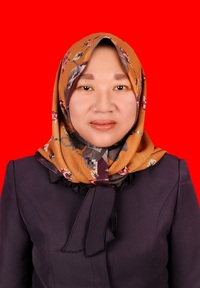
Head of Study Program