Vision
Visi

Visi
Tujuan
Sasaran
| Code | Course / Stage | Credits |
|---|---|---|
| KD1101 | PENGANTAR KEDOKTERAN | 3 |
| KD1102 | SISTEM PERGERAKAN DAN PENGATURANNYA | 6 |
| KD1103 | SISTEM PENGATURAN CAIRAN TUBUH | 6 |
| KD1004 | BAHASA INDONESIA | 2 |
| KD1105 | SKILLS LAB -1 | 1 |
| Total | 18 | |
Fields of work and professional roles graduates may pursue after completing the program.
Lulusan yang profesional, kompeten, komunikatif, kolaboratif, dan memiliki kesiapan akademik untuk melanjutkan pendidikan Profesi Dokter serta mampu berkontribusi dalam bidang kesehatan.
Characteristics and capabilities expected of graduates of this study program.
Sarjana Kedokteran yang mampu mengintegrasikan ilmu kedokteran, teknologi, kreativitas dan kewirausahaan sosial untuk menghasilkan gagasan, produk, layanan atau inovasi kesehatan yang bermanfaat bagi masyarakat.
Sarjana Kedokteran yang mampu menggunakan metode ilmiah dan teknologi untuk melakukan penelitian dasar, menganalisis permasalahan kesehatan dan menghasilkan informasi ilmiah yang dapat mendukung pengembangan ilmu kedokteran dan kesehatan.
Sarjana Kedokteran yang memiliki penguasaan ilmu kedokteran yang kuat, berintegritas, beretika, humanis, mampu berpikir ilmiah dan kritis serta memiliki kesiapan akademik untuk melanjutkan pendidikan ke tahap Profesi Dokter.
Attitudes, knowledge, and skills students are expected to achieve by graduation.
Technology-Based Health Innovation and Social Entrepreneurship
Mampu mengembangkan inovasi berbasis sociotechnopreneurship dalam bidang keahliannya serta bertanggung jawab dan berintegritas secara konsisten dalam pengambilan keputusan profesional
Research and Scientific Development
Mampu mengembangkan penelitian di bidang kedokteran dan ilmu kesehatan.
Mastery of Medical Sciences
Mampu mengembangkan ilmu biomedik, ilmu kedokteran klinik dasar, ilmu perilaku dan ilmu kesehatan masyarakat untuk menjelaskan kondisi sehat, proses terjadinya penyakit, faktor risiko serta prinsip pencegahan masalah kesehatan.
Professionalism and Ethics
Mampu mengevaluasi perilaku profesional, berintegritas, beretika, humanis, bertanggung jawab serta menjunjung nilai kemanusiaan, hukum, etika akademik dan keberagaman sosial budaya dalam kegiatan akademik dan kesehatan.
Critical and Evidence-Based Thinking
Mampu menilai permasalahan kedokteran secara logis, kritis, sistematis dan ilmiah berdasarkan informasi dan bukti ilmiah
Communication and Collaboration
Mampu Mengelola komunikasi secara efektif, empatik dan profesional serta bekerja sama dalam kelompok dan tim interprofesional untuk mendukung pembelajaran dan penyelesaian masalah kesehatan.
Health Promotion and Prevention of Degenerative Diseases
Mampu mengevaluasi faktor risiko dan determinan kesehatan serta merancang pendekatan promotif dan preventif berbasis bukti dengan keunggulan pada prevensi penyakit degeneratif pada individu, keluarga dan masyarakat.
Self-Awareness and Self-Development
Mampu Mengkreasikan refleksi dan evaluasi diri dalam mengembangkan pengetahuan dan kompetensi secara mandiri dan berkelanjutan.
Approved and locked RPSMK are grouped by semester. The cohort source follows the newest available RPSMK for each course in that semester.
This course equips students with the foundational knowledge and skills for studying medicine, developing the identity and professionalism of future physicians, communication and collaboration skills, ethical principles, scientific and evidence-based reasoning, research literacy, integration of medical sciences, health promotion and disease prevention, as well as an introduction to technology-driven health innovations and sociotechnopreneurship. The learning process is designed to serve as a bridge to the academic phase of medical education and professional medical training.
This course covers the anatomy, physiology, and biomechanics of the musculoskeletal system (bones, joints, muscles), as well as neural regulation of movement, including motor control, reflexes, and sensorimotor integration for coordinated movement.
This course covers body fluid compartments, homeostasis of volume and osmolarity, thirst mechanisms, and hormonal (ADH, aldosterone, ANP) and renal regulation in maintaining fluid, electrolyte, and acid–base balance.
This course covers the status and function of the Indonesian language, academic ethics, scientific writing techniques, and the use of proper Indonesian according to grammar rules, PUEBI, and KBBI.
Skills Lab -1 provides a safe simulated environment for medical students to learn and practice basic clinical skills prior to direct patient contact.
The Cardiovascular and Respiratory System course covers the structure, function, and physiological regulation of the cardiovascular and respiratory systems, including disease mechanisms, clinical assessment, diagnostic interpretation, basic patient management, and effective communication in healthcare settings.
This course covers the anatomy, physiology, and pathophysiology of the hematology and immunology systems, along with diagnosis and management of disorders such as anemia, leukemia, immunodeficiency, and autoimmune diseases.
This course covers the anatomy, physiology, and pathophysiology of the gastrointestinal, liver, and pancreas systems, along with diagnosis and management of disorders such as gastritis, ulcers, hepatitis, cirrhosis, and pancreatitis.
This course covers the pathogenic mechanisms of degenerative diseases, including the roles of aging, genetic factors, oxidative stress, protein aggregation, and inflammation in disorders such as Alzheimer’s, Parkinson’s, diabetes, and cardiovascular diseases.
This course covers the concepts of citizenship, citizens' rights and obligations, democracy, law, national identity, national outlook, and national resilience to develop informed and responsible citizens.
This course covers the status and function of the Indonesian language, academic ethics, scientific writing techniques, and the use of proper Indonesian according to grammar rules, PUEBI, and KBBI.
The Sensory System course discusses the structure, function, and disorders of the human sensory system, including the eyes, ears, nose, and tongue. Students learn the anatomy, physiology, sensory mechanisms, and various disorders affecting vision, hearing, smell, and taste.
The Health Problems of the Musculoskeletal and Integumentary Systems course discusses the basic concepts, risk factors, pathophysiology, clinical manifestations, assessment, management, and prevention of various health disorders affecting the musculoskeletal and integumentary systems. Students are equipped with the ability to understand disease mechanisms, perform health assessments, identify health problems, and apply evidence-based interventions for patients with musculoskeletal and integumentary disorders.
This course covers the pathophysiology, diagnosis, and management of neuropsychiatric and behavioral disorders (such as stroke, epilepsy, Parkinson's, schizophrenia, dementia) as well as mental health and degenerative issues in the elderly within a holistic geriatric approach.
This course covers the pathophysiology, diagnosis, and prevention and management strategies for degenerative and metabolic diseases such as diabetes, dyslipidemia, hypertension, obesity, and metabolic syndrome through pharmacological, nutritional, and lifestyle interventions.
This course covers research methodology, scientific writing techniques, and the development of a complete research proposal (title, background, literature review, methodology, and data analysis) for undergraduate theses, master's dissertations, or doctoral dissertations.
This course covers the concepts and applications of community and preventive medicine, including epidemiology, health promotion, environmental health, occupational health, and family medicine to analyze and address health problems at the individual, family, and community levels using an evidence-based approach.
This course equips medical students with an understanding of the concepts, principles, and methods of management within health service systems. Learning focuses on health service organization, referral systems, quality and patient safety, and managerial challenges in healthcare facilities such as community health centers and hospitals.
This course covers the principles of medical rehabilitation, functional assessment, therapeutic modalities (physiotherapy, occupational therapy, electrotherapy), and rehabilitation program planning for patients with degenerative diseases such as osteoarthritis, Parkinson's, stroke, and dementia to restore function and improve quality of life.
This course covers evidence-based lifestyle medicine principles, including interventions in nutrition, physical activity, stress management, sleep, social connection, and reduction of high-risk behaviors for the prevention, management, and reversal of chronic diseases such as diabetes, obesity, cardiovascular disease, and hypertension.
The Research Report course covers the systematic and scientific preparation of research findings in accordance with academic standards, including data presentation, result analysis, discussion, conclusion development, and research report writing.
The Scientific Publication course equips students with the knowledge and skills required to prepare, review, and publish scholarly works in accordance with academic standards. The course covers scientific article structure, literature searching and reference management, publication ethics, journal selection, submission and peer-review processes, and manuscript refinement for publication in academic journals.
This course covers strategies and ethics for disseminating research findings through journal publications, proceedings, academic social media, conference presentations, and policy briefs, as well as selecting target audiences, writing abstracts, and avoiding predatory journals.
Junior Clinical Clerkship 1 is an early clinical exposure phase for medical students to practice history taking, basic physical examination, patient communication, and case documentation under the supervision of lecturers/clinical instructors in a teaching hospital.
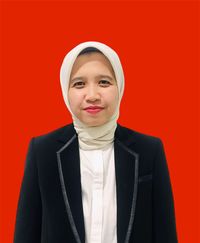
Head of Study Program